The ongoing VO2 Max saga
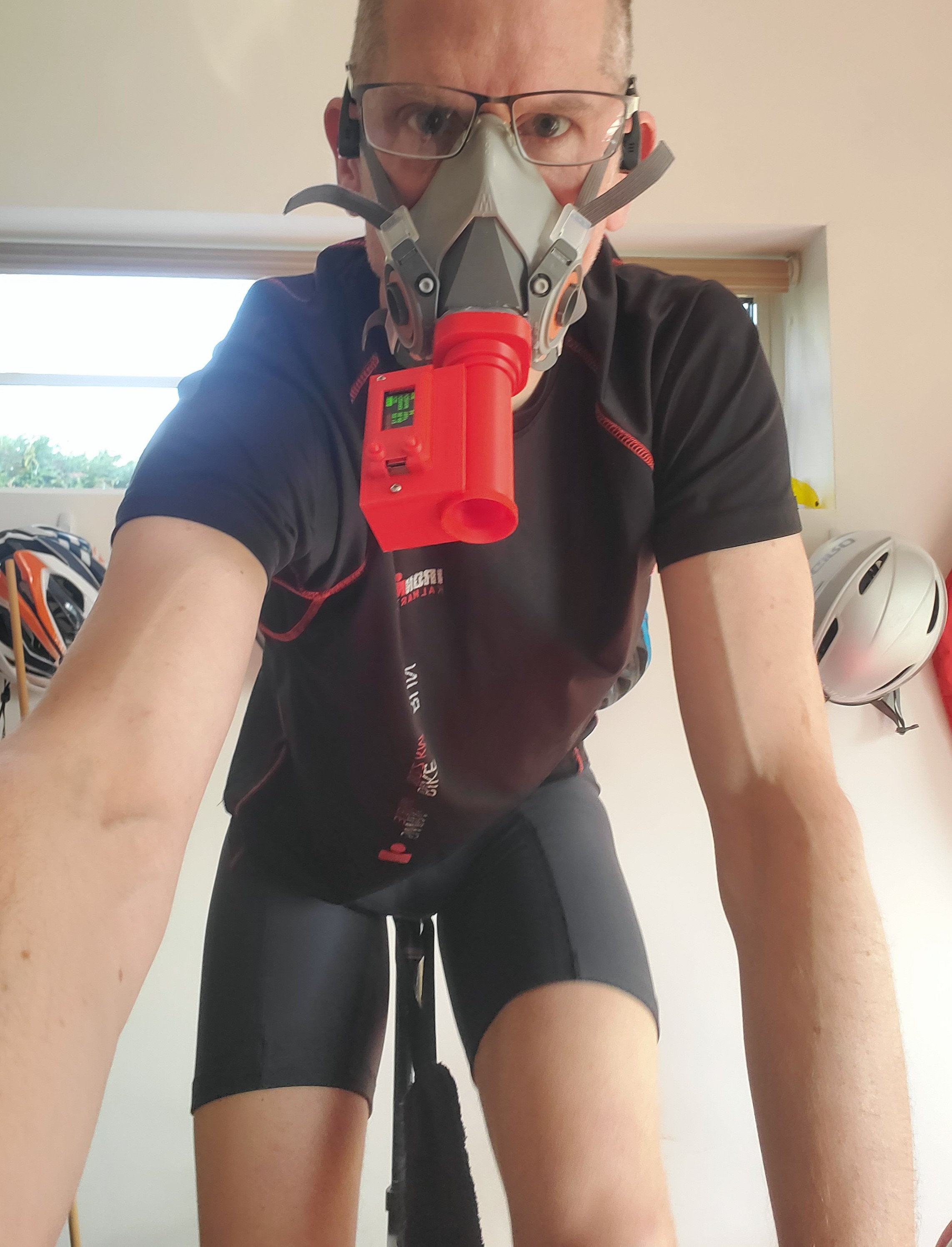
I constructed the VO2 max device when I first heard about it on Instructables it was great fun to make and I was really impressed with the quality of design and construction. (I ordered the case parts from an online 3D printing service)
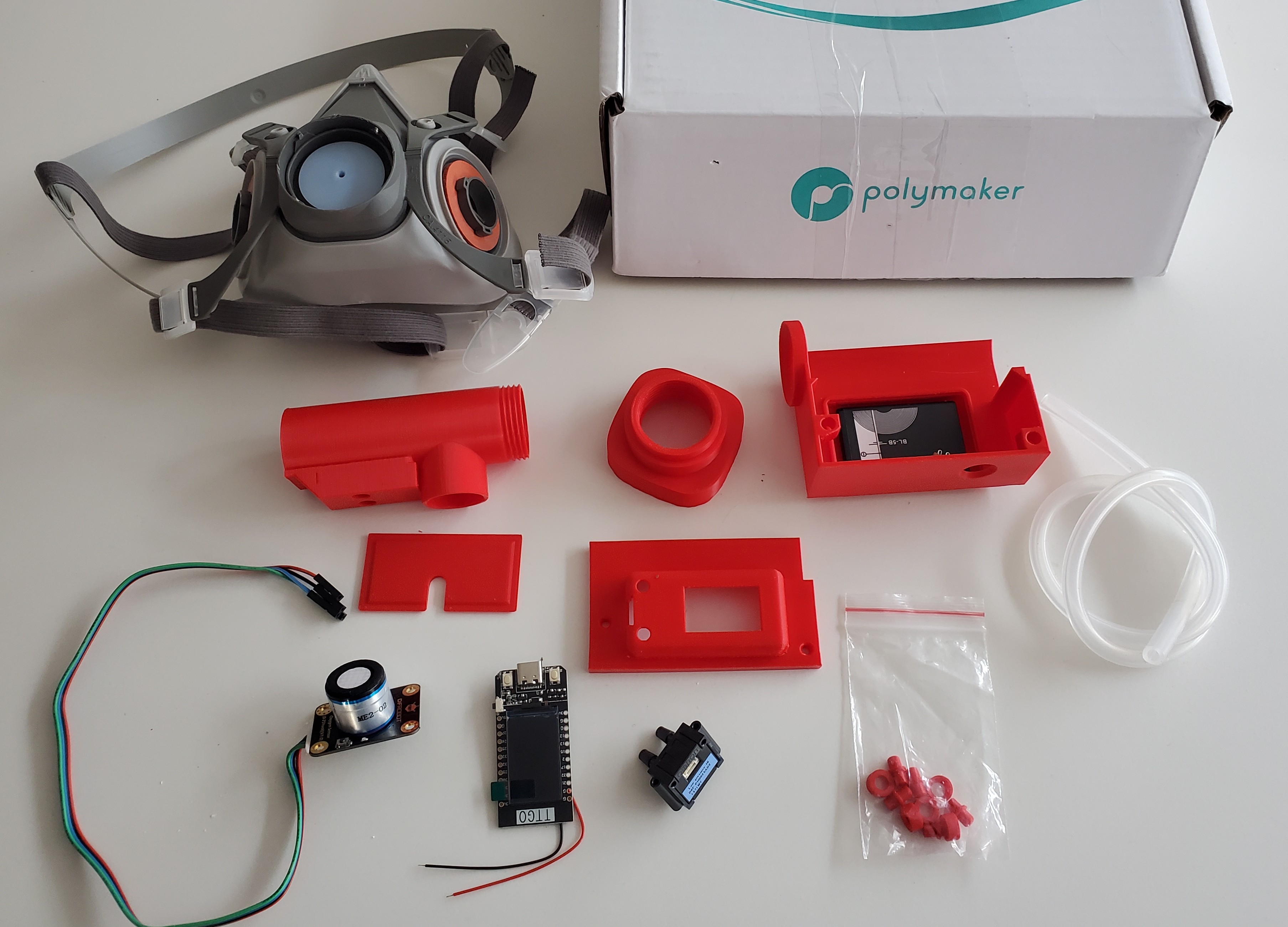
The resulting unit is really professional and fun to use.
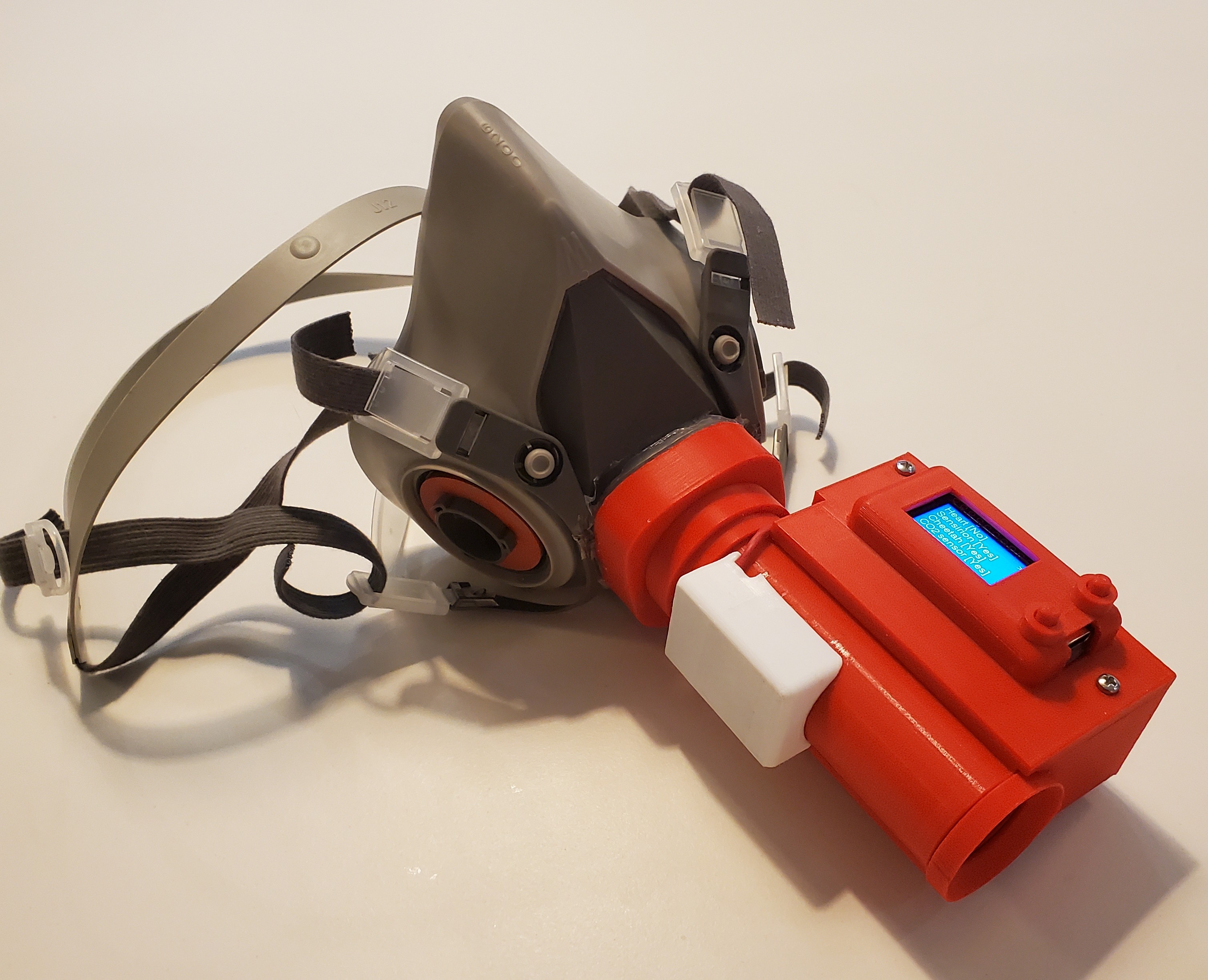
I played with the code and made a few tweaks to the software, then saw there were some improvements and modifications that Ulli Rissel had worked on and incorporated those first incorporating a barometer (BMP180) then adding in a CO2 sensor (SCD30)
Since the device relies on calculating gas volume changes it seemed to make sense to include these sensors.
I played with the project occasionally although frequently getting distracted by other projects (like my GPS telemetry tracker).
After being contacted byNik Hawks aka “Gristle King” who was also making his own version and improvements to the design (link: GristleKing) this spurned me on to play with the device a bit more again.
The problem with the CO2 sensor modification was that the chosen sensor only supported levels up to 4% and there were no ways to adjust or increase this. Since expired air is already at that level and will go above during exercise this seemed to make the CO2 modification pretty pointless.
I hunted around at the various sensors available and experimented with a few but couldn’t find a good quality, but reasonably priced unit. I experimented with some eCO2 sensors - these “approximate” CO2 levels from the readings of other gases in the air but turned out to be of no use whatsoever for trying to measure breath, similarly a Sensirion SCD40 whilst measuring CO2 didn’t respond quickly enough to be any use - clearly designed for monitoring room background levels.
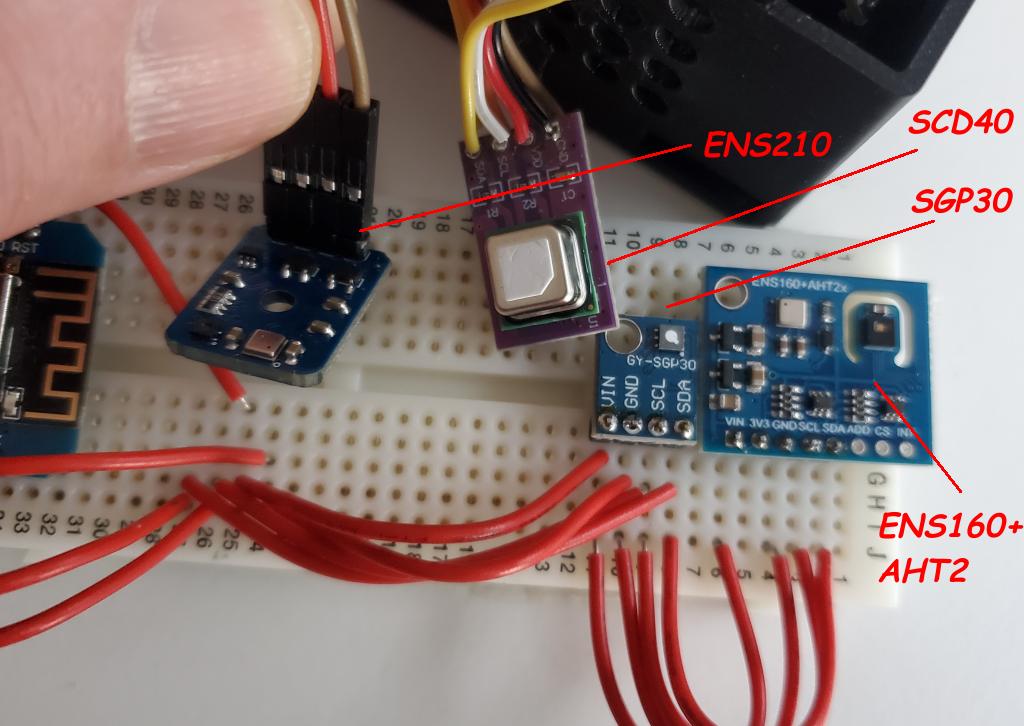
The STC31 looked promising, but I couldn’t find a UK/EU supplier of board and purchasing one from the US would result in tax and duties on top of a ~£100 price for a sensor - to play with - that might not work…
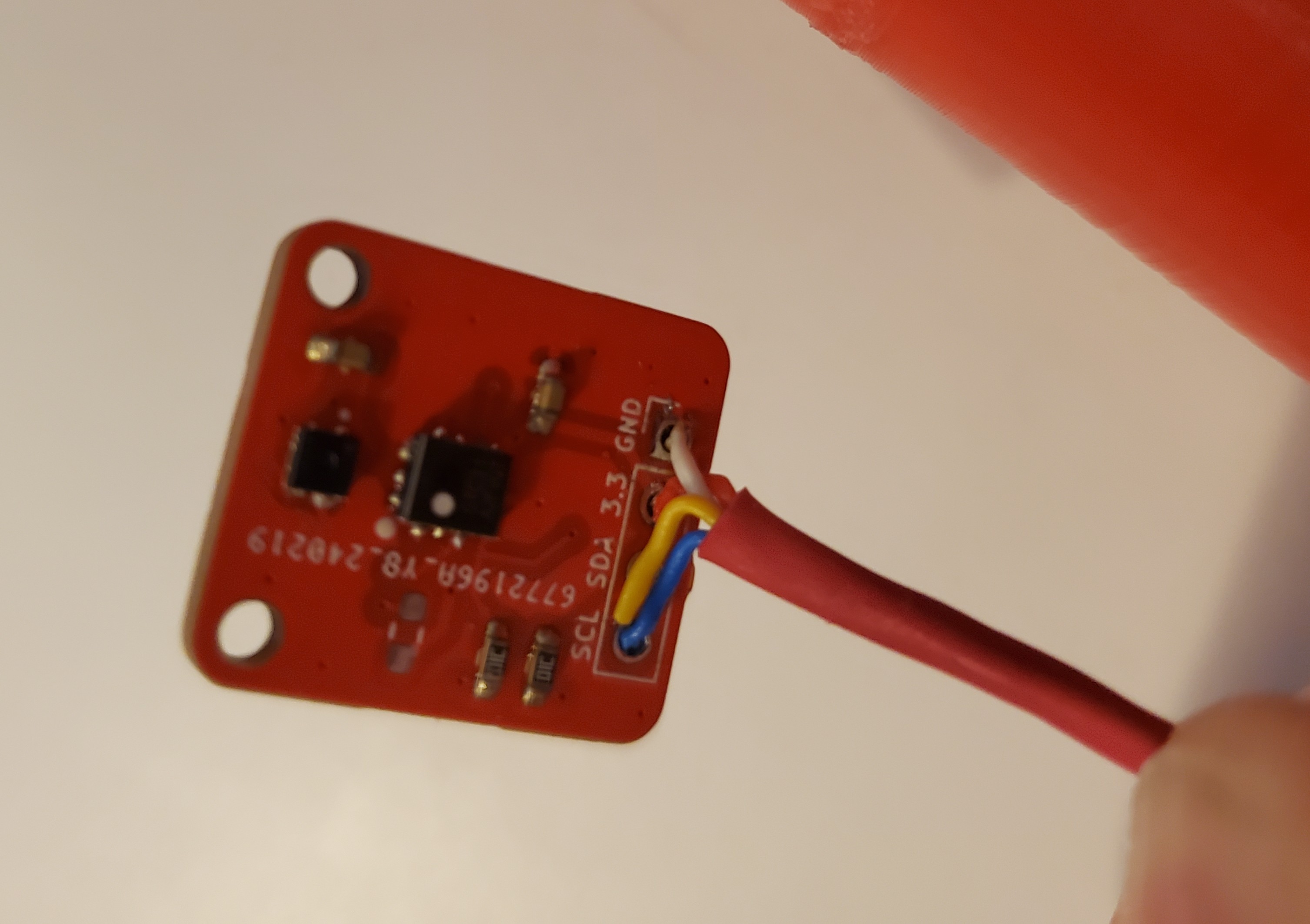
I’d also been toying with the idea of making my own boards for another project so this seemed like an ideal opportunity to try to make a sensor board myself for just the cost of the parts (and obviously many hours of my spare time 😄)
After designing a board using the STC31 and SHT31chips, I sent off for some boards (JLCPCB)…. then immediately spotted a dumb “bug” in my design, unfortunately hardware bugs aren’t quite as easy as my more familiar software bugs to fix, so I improved and ordered a new set of boards. (you need to order a minimum 5 boards).
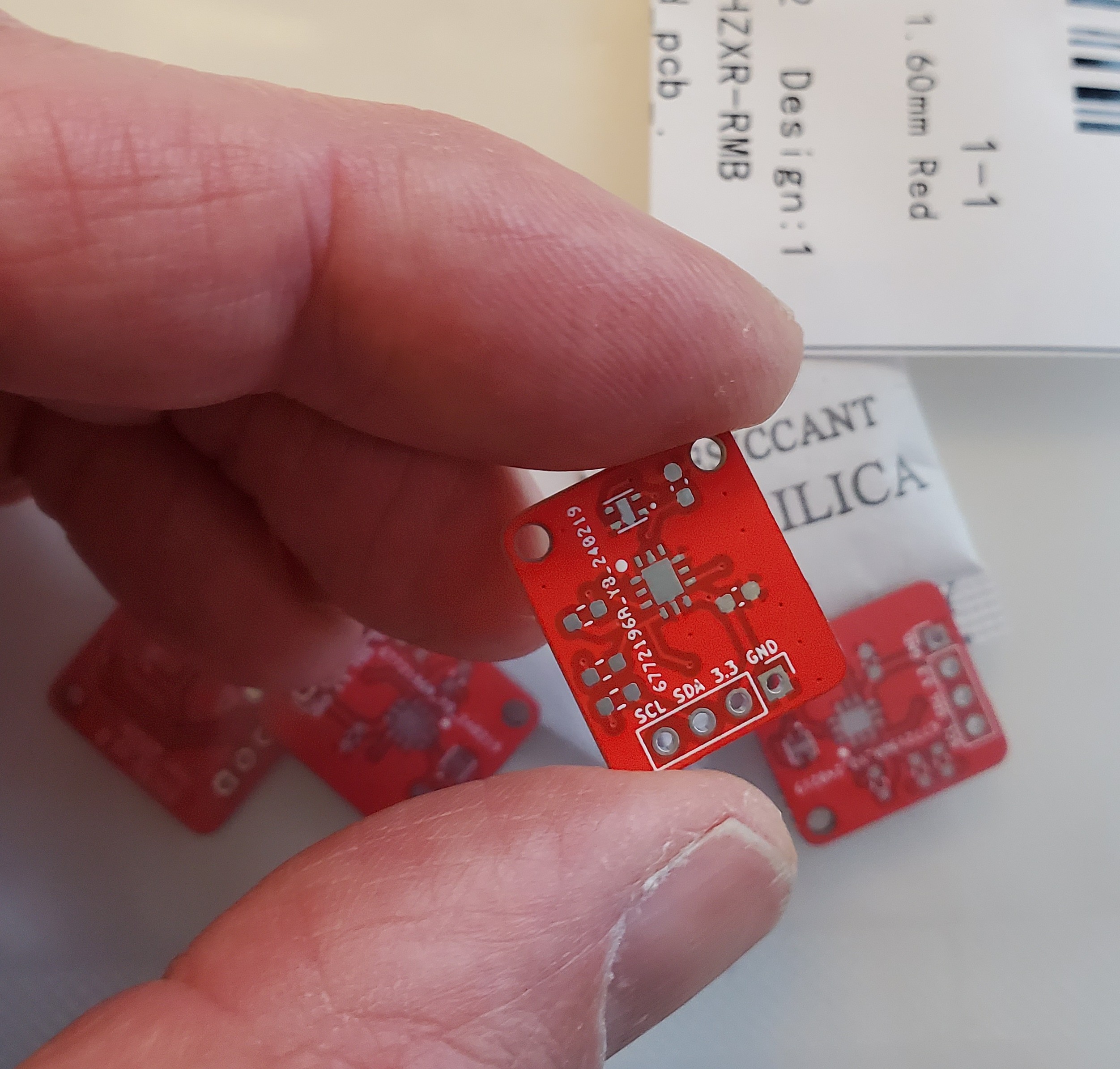
A few weeks later (I used economy shipping to keep a sane budget) the bad boards arrived, followed a few days later by the good ones. So exciting!!! Also ordered the handful of components I’d need, albeit quite hard to talk myself into ordering a £40 chip that’s just 3x3mm! The next project I needed to complete was to build my own surface mount heatplate machine to make the board. Much amusement from the family as I explained the project that was sprawling across the kitchen was just the project that would help me build the board for a different project.
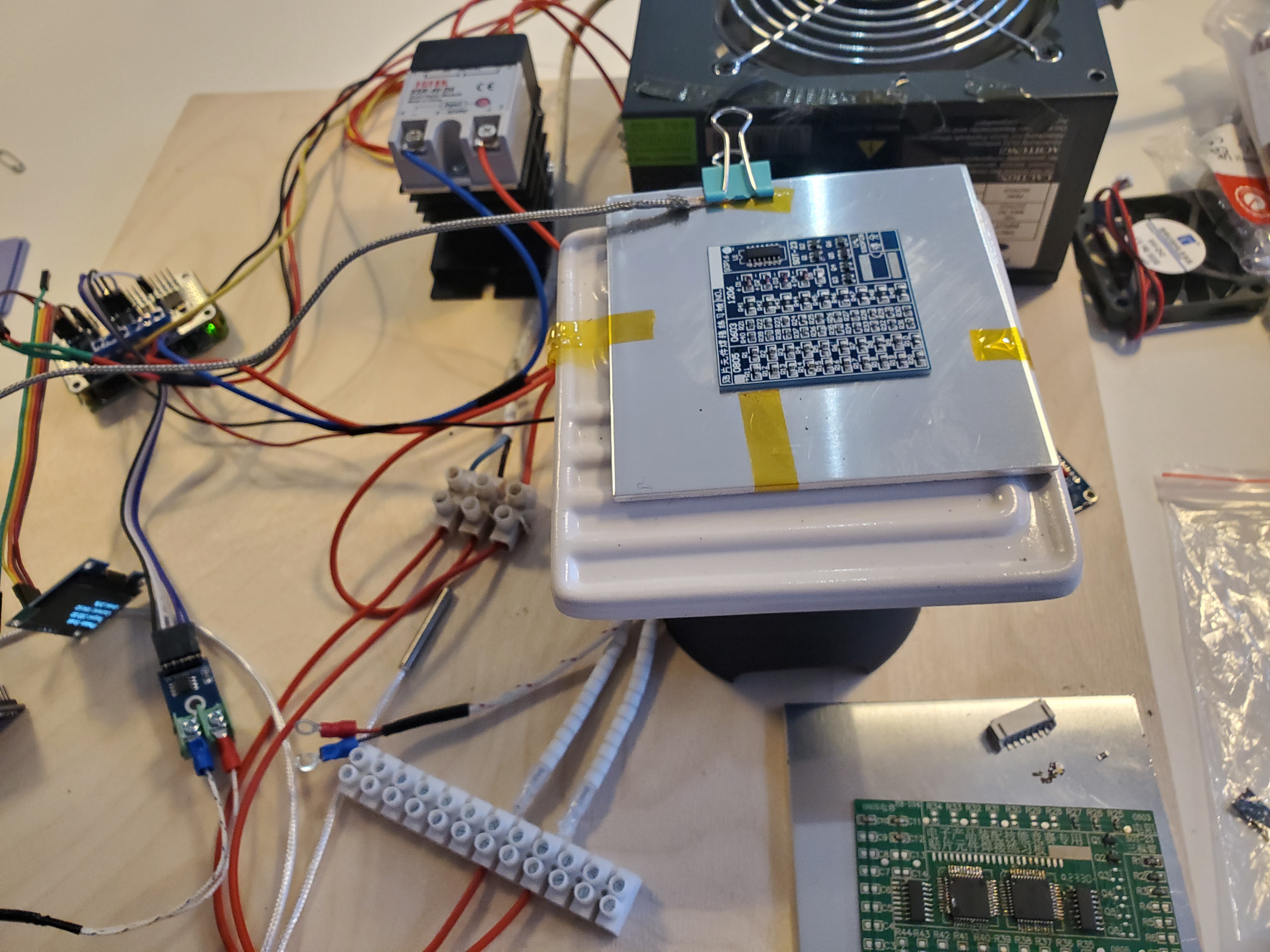
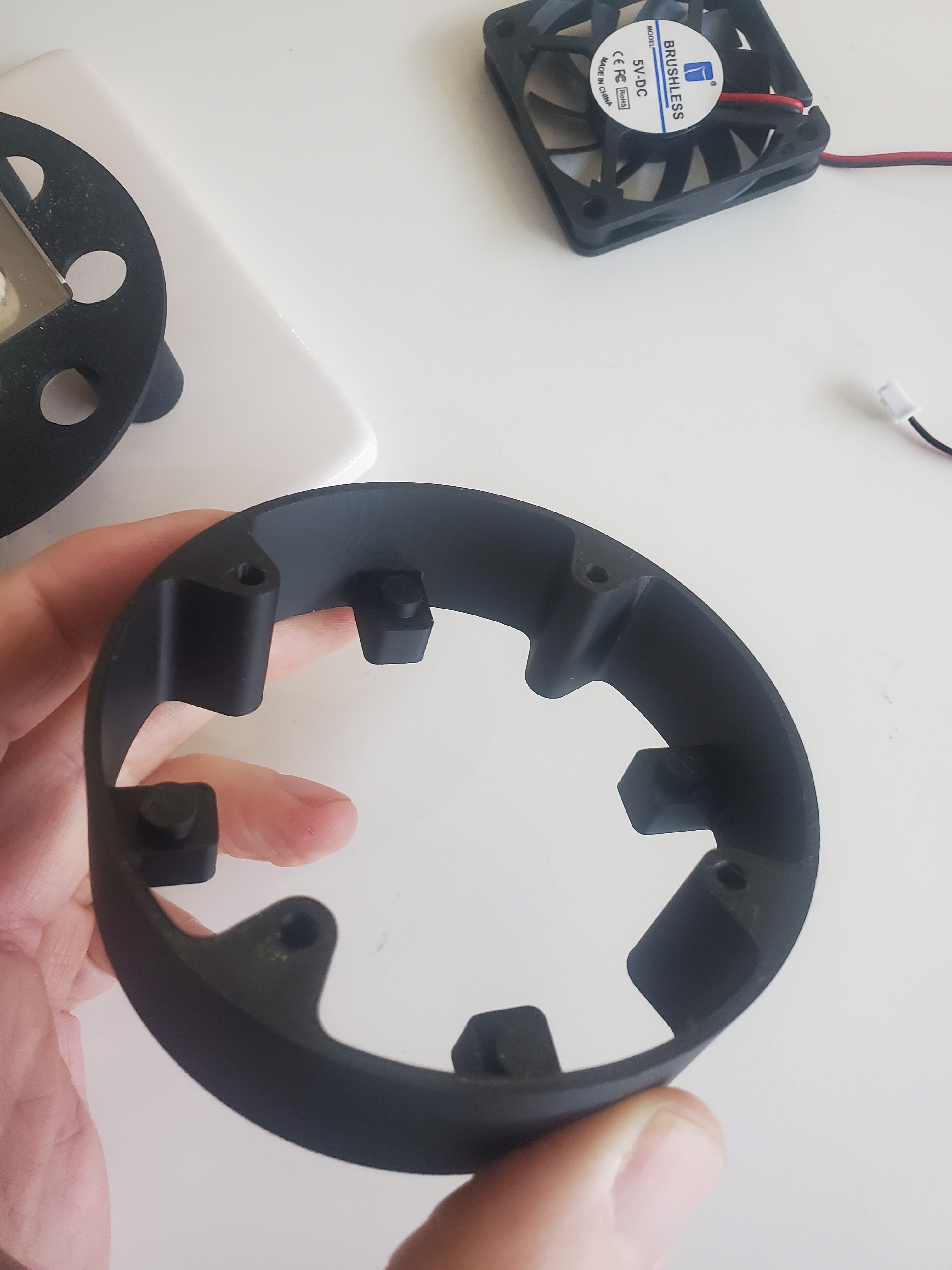
At the same time I’ve been having huge fun designing and building components with my new 3D printer to use for various pieces. At the moment I’m still on version 1.1 of my hotplate using scavenged parts (e.g. an old PC power supply), version 2 will be a neat rebuild using small components into a compact printed case.
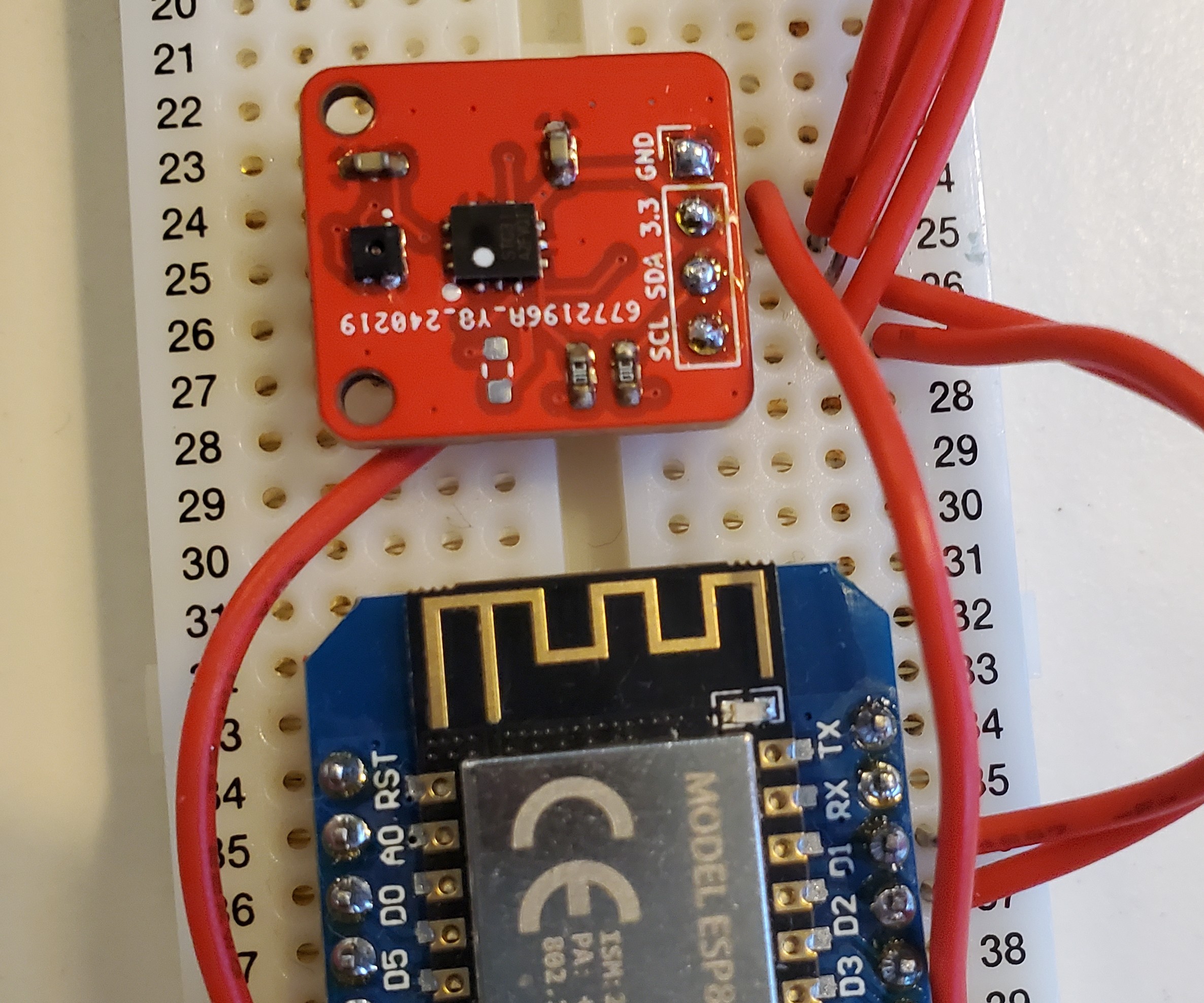
Assembled, heated and cooled - it I tested the connections with a multimeter and the seemed ok, so it was time to link it to a development board to see what it looked like…
AND IT WORKED!!!! OMG SO EXCITING. I may have whooped. Breathing on it showed the humidity and CO2 values increasing nicely.
Also this board uses the same chips as the Sparkfun module so the same driver software can be used.
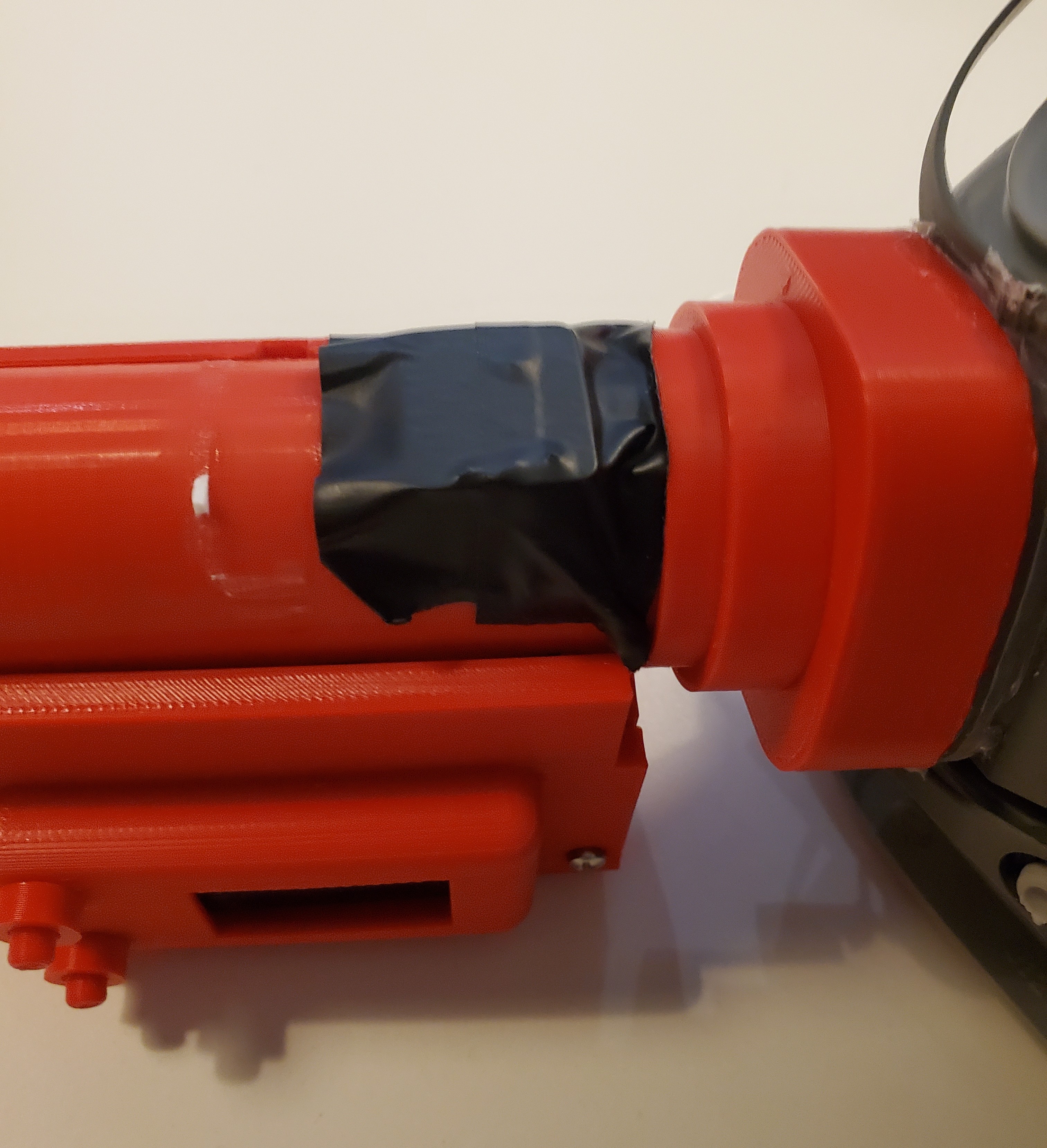
At the same time I spent some time getting to understand the rho ratio calculations for the gas volume equations, since the CO2 sensor monitored the air humidity and temperature directly it seemed a shame to have maths that just took “assumed” values of 35℃ and 95% humidity for breath.
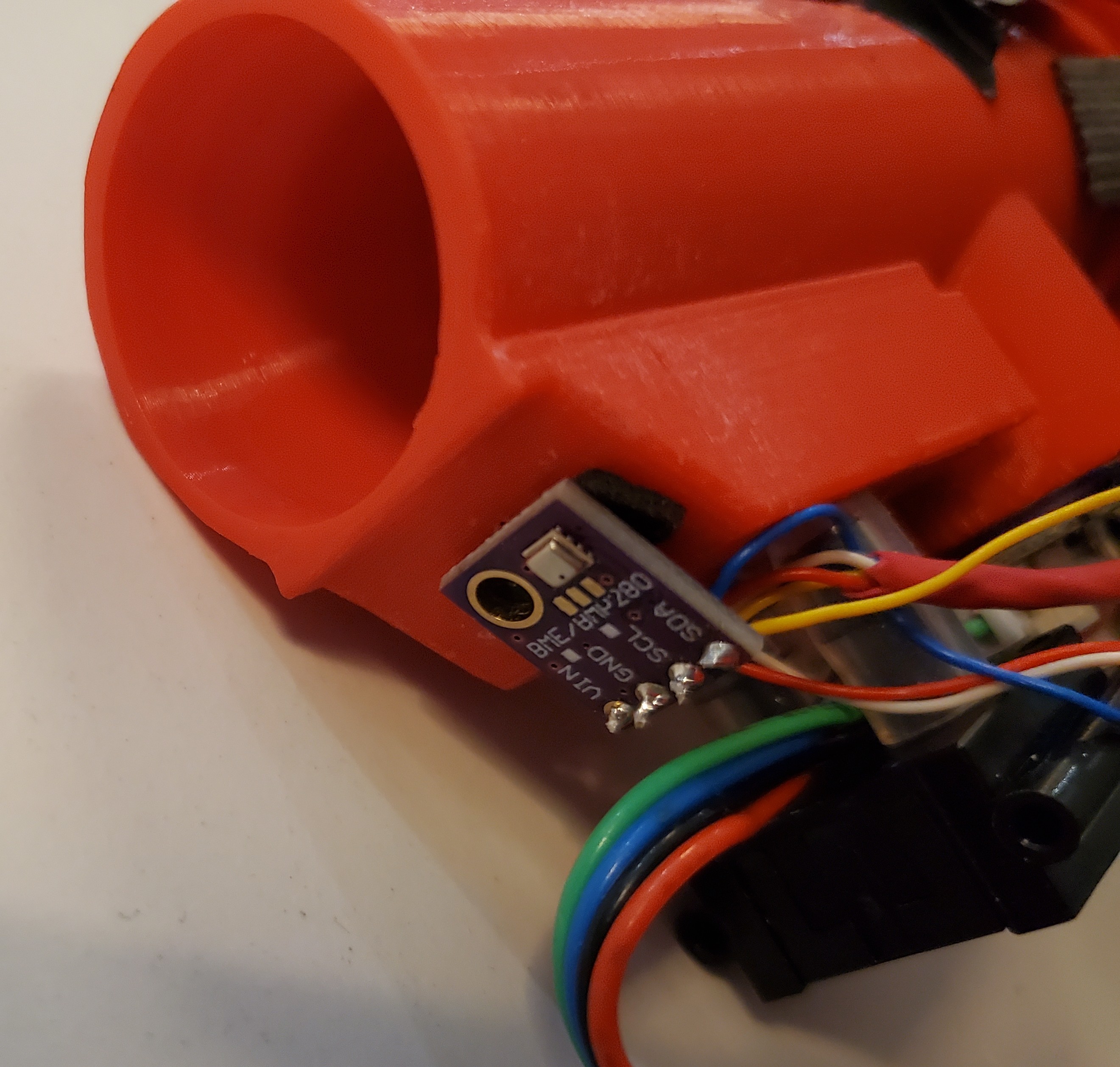
After understanding and working out how to change them to use the sensor values, I also decided it would make sense to upgrade the front barometer from a BMP180 (which only measures pressure and temperature) to a BME280 which also captures humidity.
Just need to revisit a few other shelved projects now, I have my redesigned GPS tracker to build but that’s going to need the improved heatplate finishing (and a lot more practice) first since it uses a monster 90+ pin BGA surface mount chip
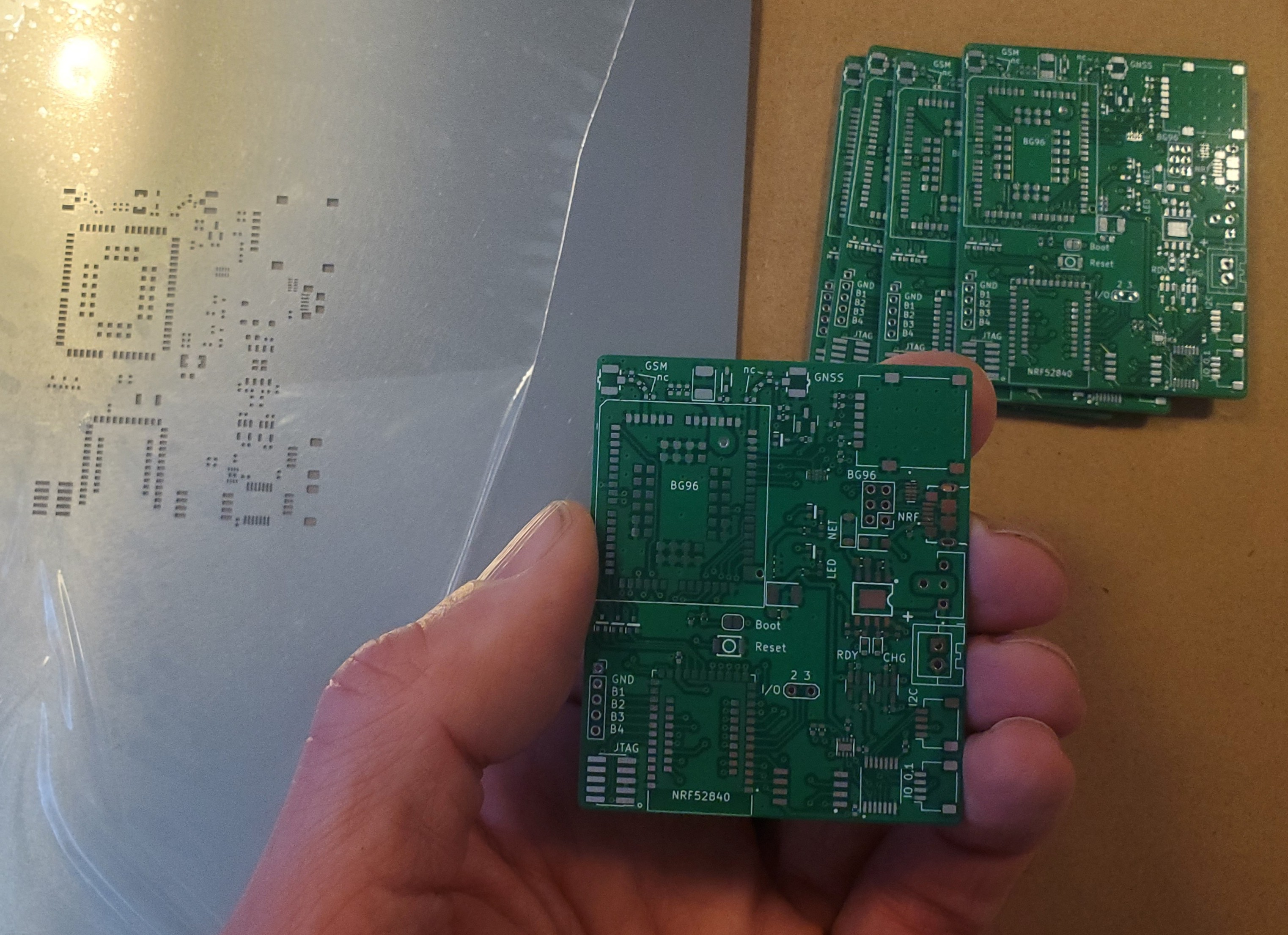
Just need to find time, thankfully I’m not running much at the moment so have a bit more time to play!😁